
.svg)
.svg)
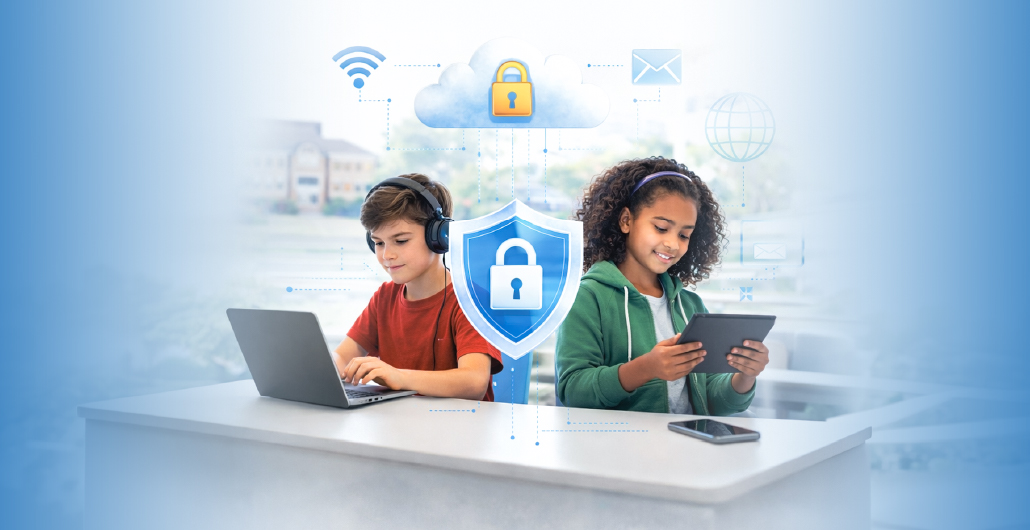
Digital Safety in Education UAE: How Schools Secure Student Data in Cloud-First Learning Environments
March 31, 2026As education systems continue to evolve, classrooms are becoming more connected than ever. Students access lessons through cloud platforms, collaborate in real time, and use multiple devices throughout the day. This shift toward cloud-first learning environments has created new opportunities for flexibility and engagement, while also introducing new responsibilities around digital safety.
Schools today are expected to protect student data, manage device access, and ensure safe online interactions without disrupting the learning experience. In this context, digital safety by design has become essential. Rather than reacting to risks, institutions are building secure systems from the ground up.
Why Digital Safety in Education Matters in Cloud-First Learning Environments
The move toward cloud-first learning environments has transformed how students and teachers interact with technology. Platforms like Google Workspace for Education allow seamless access to assignments, communication tools, and collaborative documents from any device.
While this accessibility improves learning outcomes, it also expands the digital surface that schools must secure. Students are connected across devices, locations, and platforms, making it important to establish strong digital safety in education practices.
Protecting students today involves more than filtering content. It requires a structured approach to identity management, access control, and responsible technology use.
Key Risks in Always-Connected Learning Environments
As classrooms become continuously connected, schools must address a range of online safety risks for students that can affect both learning and wellbeing.
Common risks include:
- Exposure to inappropriate or unverified content
- Data privacy concerns and unauthorized access
- Unsafe online interactions across platforms
- Misuse of shared digital tools
Understanding these risks is the first step toward building safer systems. Schools that proactively identify vulnerabilities are better positioned to create environments where students can learn confidently.
How Google Workspace for Education Supports Secure Learning
Google Workspace for Education plays a central role in building secure digital classrooms. The platform includes built-in tools that allow schools to manage users, control access, and monitor activity within a protected environment.
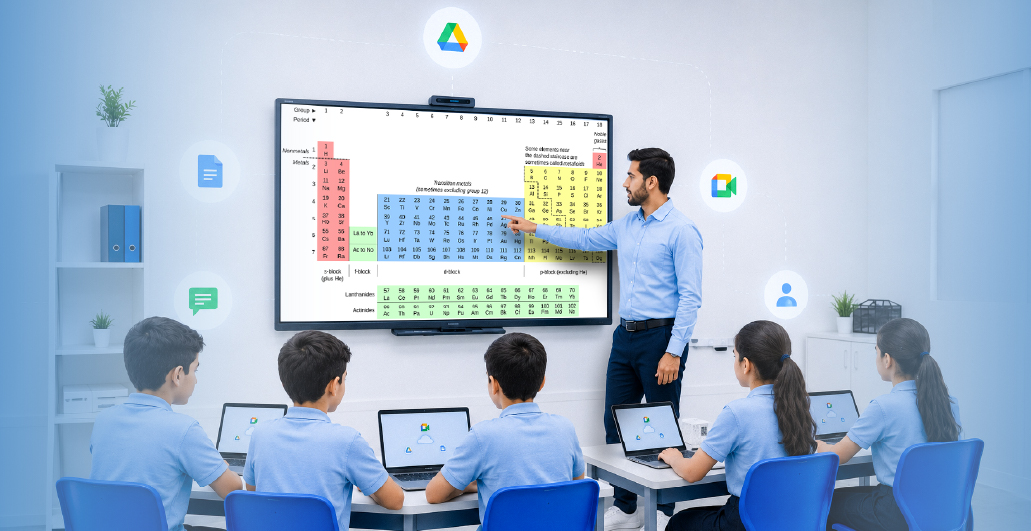
Administrators can define user roles, restrict sharing permissions, and ensure that student data remains within the school's domain. Teachers can manage classroom interactions through Google Classroom, while students collaborate within structured boundaries.
These features support digital safety in education by combining accessibility with control. Instead of limiting access, schools can create guided digital spaces where learning happens securely.
Building Secure Smart Classrooms with Connected Devices
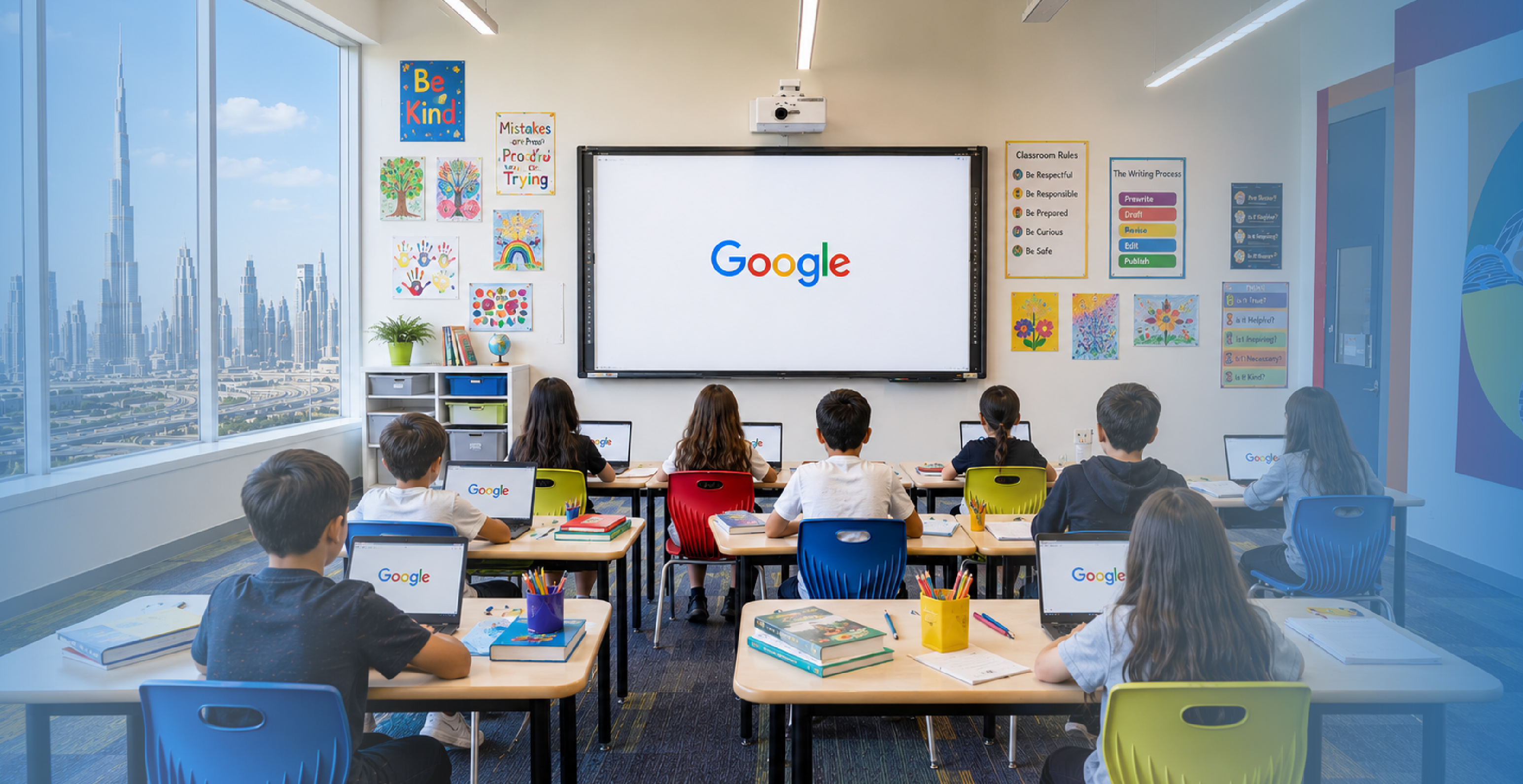
Modern smart classrooms rely on connected devices such as laptops and Chromebook for school programs. These devices extend learning beyond the classroom while maintaining centralized control through cloud-based management systems.
Security in these environments depends on how well devices, platforms, and networks are integrated. A stable and secure network is equally critical — learn how schools are addressing this in our post on WiFi solutions for high-density learning environments.
A secure smart classroom technology setup often includes:
- Managed devices with controlled user access
- Secure Wi-Fi networks with defined policies
- Cloud-based platforms like Google Workspace for Education
- Centralized admin controls for monitoring and updates
When these elements work together, schools can maintain a balance between accessibility and protection.
The Role of AI in Education UAE for Student Safety
Artificial intelligence is beginning to support digital safety in education in more practical ways. AI-driven tools can help identify unusual patterns, flag potential risks, and provide insights into student activity across platforms.
In the UAE, the growing focus on AI in education aligns with national strategies that emphasize both innovation and responsible use of technology. Schools are not only adopting AI tools but also teaching students how to interact with them safely and ethically.
This shift highlights an important point. Digital safety is not only about systems and controls. It is also about awareness, education, and responsible behavior in digital environments.
How Schools in the UAE Are Strengthening Online Safety for Students
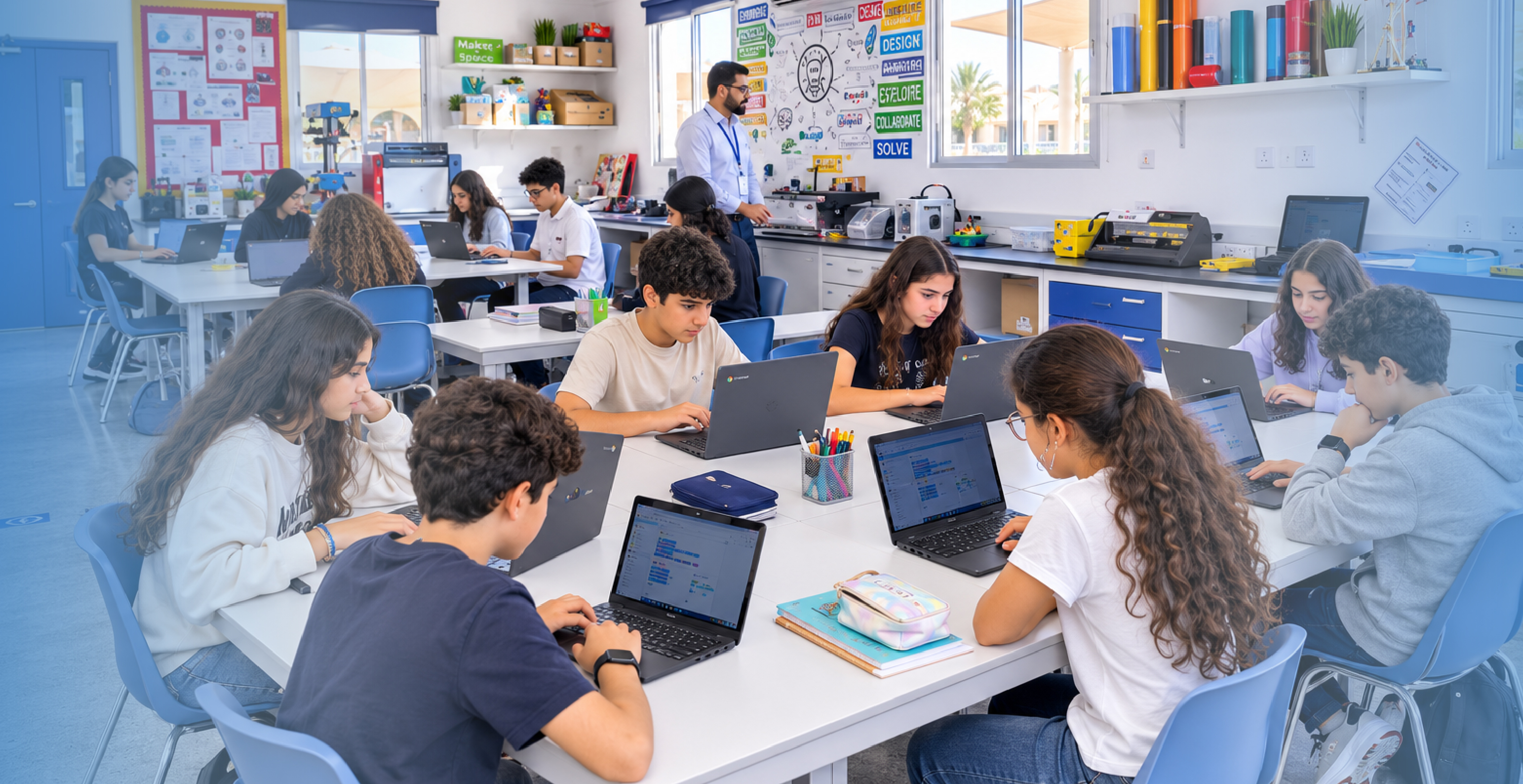
Schools across the UAE are taking structured steps to improve online safety for students. This includes aligning with national guidelines, adopting secure platforms, and investing in teacher training.
Technology alone does not ensure safety. Teachers and administrators play a key role in guiding students and maintaining secure classroom environments.
As schools expand their digital infrastructure, many work with experienced technology partners to ensure that systems are configured correctly and aligned with long-term goals. MarsSys, as a Google for Education partner in the UAE, supports institutions in building secure, scalable environments that protect students while enabling effective learning. Learn more about our full capabilities in our overview of IT solutions and Google for Education services in UAE.
The Future of Digital Safety in Cloud-Based Education
The future of education will remain connected, cloud-based, and data-driven. As this transformation continues, digital safety will become an integral part of how learning environments are designed.
Schools that prioritize digital safety by design are better prepared to support students in an always-connected world. Secure platforms, managed devices, and informed educators create environments where technology enhances learning without introducing unnecessary risk. For schools looking at device strategy, explore why Chromebooks continue to power secure digital classrooms.
In modern education, safety is not a feature added later. It is a foundation that supports every interaction, every lesson, and every student experience.


.svg)