
.svg)
.svg)
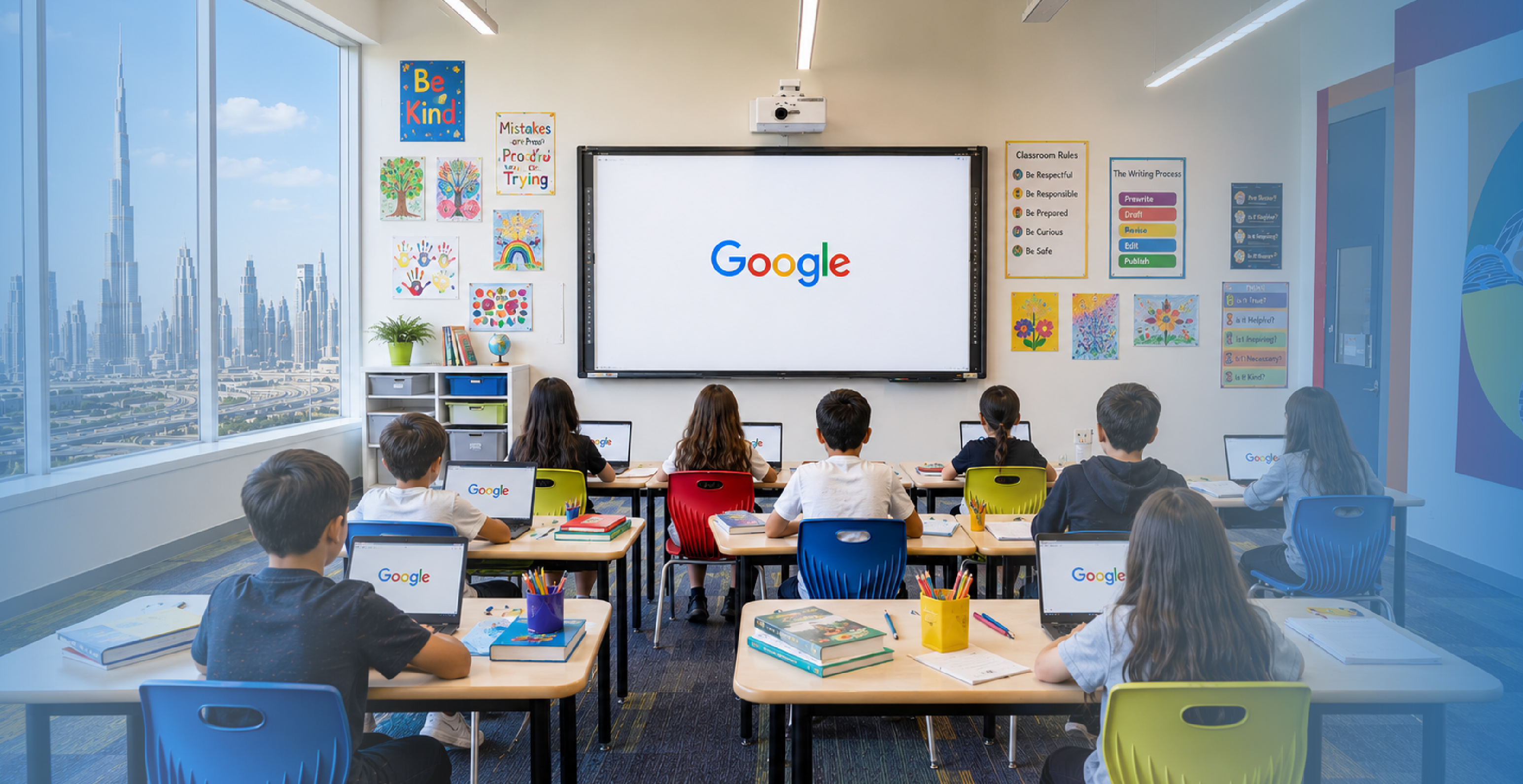
Why Chromebook for Schools Is Powering the Next Generation of Digital Learning
July 22, 2026Education has always adapted to the tools available in its time. Libraries expanded access to knowledge, computer labs introduced digital literacy, and the internet connected classrooms to a world of information. Today's shift is different because technology is no longer a destination within the school. It has become part of the everyday learning environment.
Students move between classroom discussions, collaborative documents, independent research, and teacher feedback throughout the day. They expect their work to be available wherever they learn and on whichever device they are using. Teachers design lessons that blend discussion with digital resources, while school leaders look for technology that remains dependable across hundreds of classrooms and thousands of users.
Within this evolution, Chromebook for Schools has emerged as much more than a device choice. It represents an approach to digital learning that values simplicity, consistency, and shared access to learning.
Every Learning Environment Reflects Its Technology Philosophy
Walk through two schools with similar enrolment numbers and you may notice very different technology experiences.
In one, students spend valuable lesson time logging into different platforms, searching for files, and waiting for applications to load. Teachers prepare resources across multiple systems, each with its own workflow and permissions. The technology exists, yet it demands constant attention.
In another, the technology fades into the background. Students open their devices, continue where they left off, collaborate naturally with classmates, and submit work without thinking about the platform behind it. Teachers move between instruction, discussion, and assessment without interrupting the rhythm of the lesson.
The difference rarely comes from purchasing more powerful hardware. It comes from creating an ecosystem where devices, software, identity management, and classroom workflows have been designed to work together. That philosophy explains why many schools continue to invest in Chromebook for Schools as part of a broader digital strategy.
How Google Chromebook Laptops Support Learning Beyond the Classroom
A school day is built around continuity. Students move from mathematics to science, from group projects to individual assignments, and from classroom learning to homework, often carrying ideas from one lesson into the next.
Technology should support that continuity.
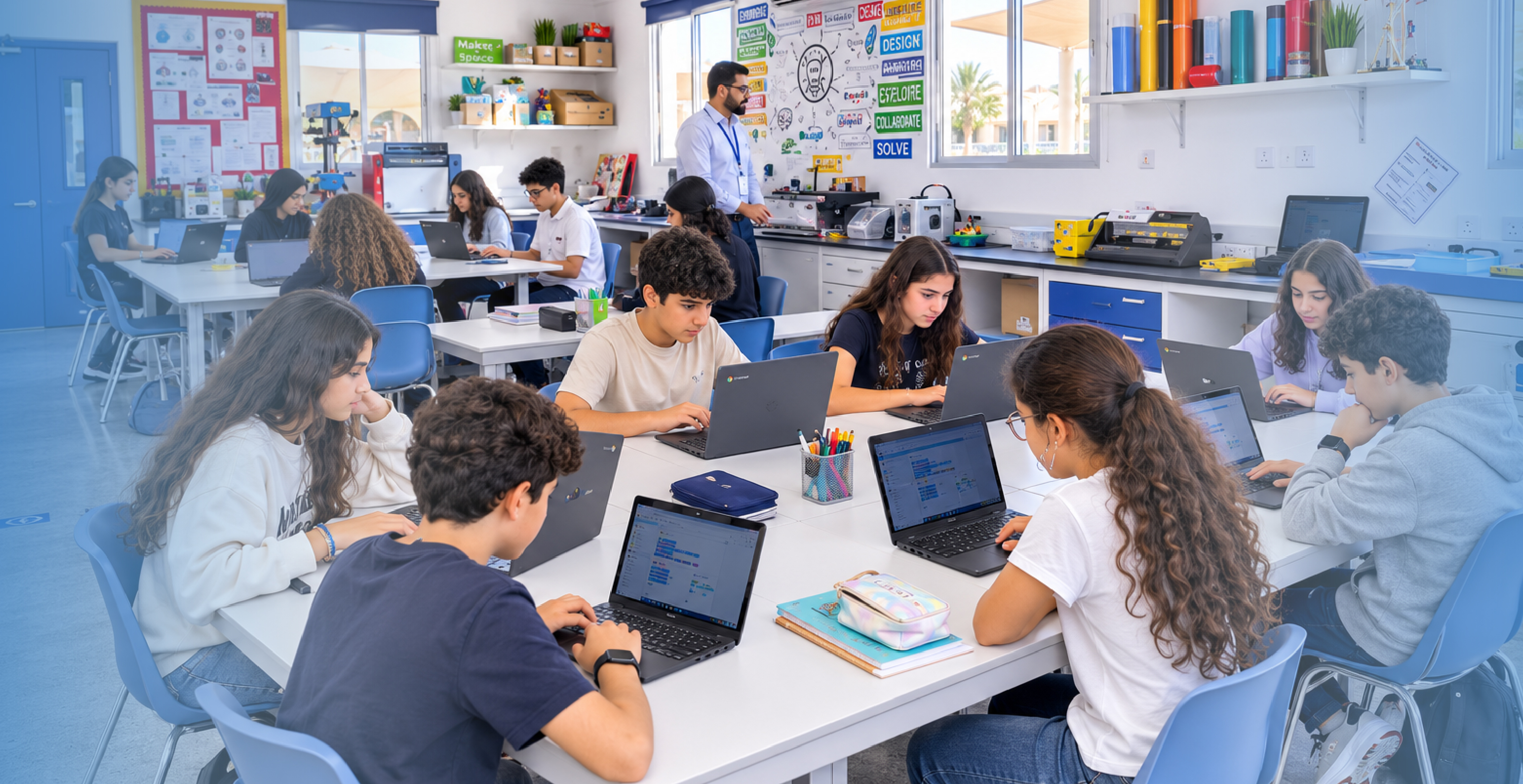
Google Chromebook laptops are designed around a cloud-first experience where students sign in with a single identity and immediately access their files, assignments, and learning resources. A document started during a lesson can be reviewed in the library, refined at home, and presented the following morning without requiring manual transfers or version tracking.
This approach encourages a different way of thinking about devices. Rather than acting as isolated computers, they become secure entry points into a learning environment that follows students throughout their educational journey.
For schools, that consistency also reduces complexity. ChromeOS updates automatically, security is built into the operating system, and centralised management allows IT teams to maintain hundreds or thousands of devices through a single administration console. We explore this further in our look at why ChromeOS continues to power secure, scalable digital classrooms.
How Google Workspace for Education Makes Chromebook for Schools More Effective
Research into collaborative learning has consistently shown that students deepen their understanding when they explain ideas, solve problems together, and receive timely feedback. Technology supports these interactions most effectively when it feels intuitive rather than instructional.
This is where Google Workspace for Education has become an important part of many schools' digital learning strategies.
Students contribute to the same document while sitting in different parts of the classroom. Teachers provide feedback as work develops rather than waiting until submission. Group presentations evolve through shared editing, and classroom discussions continue beyond the timetable through collaborative spaces that remain accessible after the lesson ends.
The platform encourages participation because collaboration becomes part of the learning process instead of an additional activity.
When combined with Chromebook for Schools, these experiences remain consistent regardless of where learning takes place.
Google Classroom Creates Structure Without Limiting Creativity
Every classroom develops its own rhythm.
Teachers introduce concepts, guide discussion, set independent work, review understanding, and provide feedback. Digital platforms become most valuable when they strengthen this rhythm instead of replacing it.
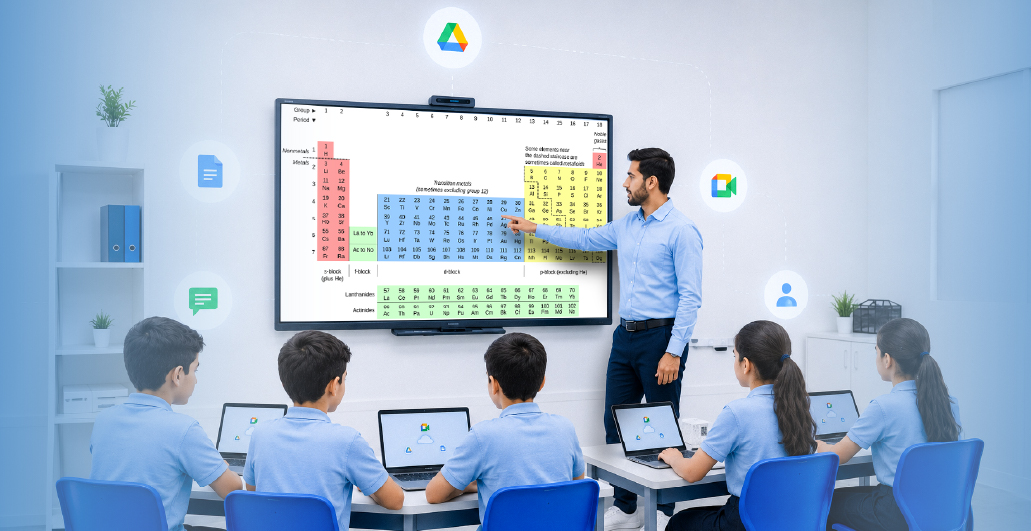
Google Classroom provides a shared structure for organising learning. Assignments, announcements, resources, and assessments remain connected to each class, giving students a familiar environment throughout the academic year. Teachers spend less time managing administrative processes and more time designing meaningful learning experiences.
The value extends beyond organisation.
Because Classroom connects naturally with the wider Google ecosystem, educators can introduce collaborative writing, multimedia projects, formative assessment, and AI-assisted productivity within one familiar environment. Students develop confidence because each activity builds upon tools they already know.
Consistency, once again, becomes an educational advantage.
Managing Chromebook for Schools Across an Entire Campus
Launching a device programme marks the beginning of a school's digital learning journey rather than its conclusion.
Each academic year introduces new students, new teachers, curriculum updates, evolving cybersecurity requirements, and emerging technologies that influence classroom practice. Maintaining a successful Chromebook programme therefore involves ongoing planning, governance, and professional learning.
Schools often benefit from asking broader questions as their programmes mature, and many of those questions come down to choosing the right Chromebook distributor in the UAE.
How easily can additional devices be introduced?
How are security policies updated across the fleet?
How are teachers supported as new capabilities become available?
How do students experience consistency between year groups and departments?
These considerations shape the long-term success of a technology programme far more than the purchasing process itself.
A Device Is Only One Part of a School's Digital Ecosystem
The most effective schools rarely evaluate technology in isolation.
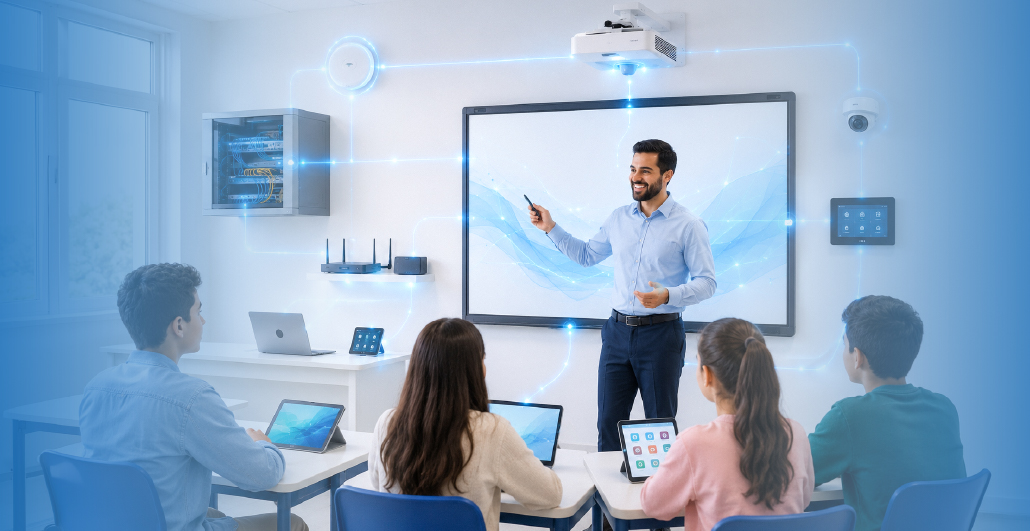
Devices, wireless infrastructure, identity management, safeguarding, collaboration platforms, classroom displays, and professional development each influence the others. Decisions made in one area often affect the effectiveness of another, which is why schools increasingly plan around integrated technology solutions rather than isolated purchases.
Viewing Chromebook for Schools within this wider ecosystem changes the conversation. Instead of asking whether a device meets today's requirements, schools begin considering how it contributes to teaching, learning, security, operational efficiency, and future innovation.
This broader perspective also creates stronger foundations for emerging technologies, including AI-powered learning tools that increasingly rely on cloud-based collaboration and secure identity management.
Technology becomes easier to evolve when it has been designed as an integrated environment from the beginning, which is often where system integrators shape modern school technology setups.
Building Digital Learning That Lasts
The schools making the greatest progress with digital learning rarely define success by the number of devices they purchase. They measure it through the confidence of their teachers, the engagement of their students, and the consistency of the learning experience across every classroom.
That perspective has helped Chromebook for Schools become an important part of modern education. The devices support a learning environment where collaboration feels natural, management remains straightforward, and technology quietly enables teaching rather than competing for attention.
As an official Google for Education Partner, MarsSys helps schools across the UAE design, implement, and support Chromebook programmes that align with long-term educational goals. From selecting the right Google Chromebook laptops to deploying Google Workspace for Education, configuring Google Classroom, and providing ongoing guidance, our focus remains on helping schools create digital learning environments that continue delivering value as education evolves. Speak with our team to discuss your school's Chromebook programme.


.svg)